_(1).svg)
If you've ever reached for a teaspoon to measure your kratom powder, you may have been getting a very different amount than you thought. How can a simple kitchen spoon cause such confusion, and what does it actually mean for your experience? Read on to find out exactly what's going on with kratom and kitchen measurements.
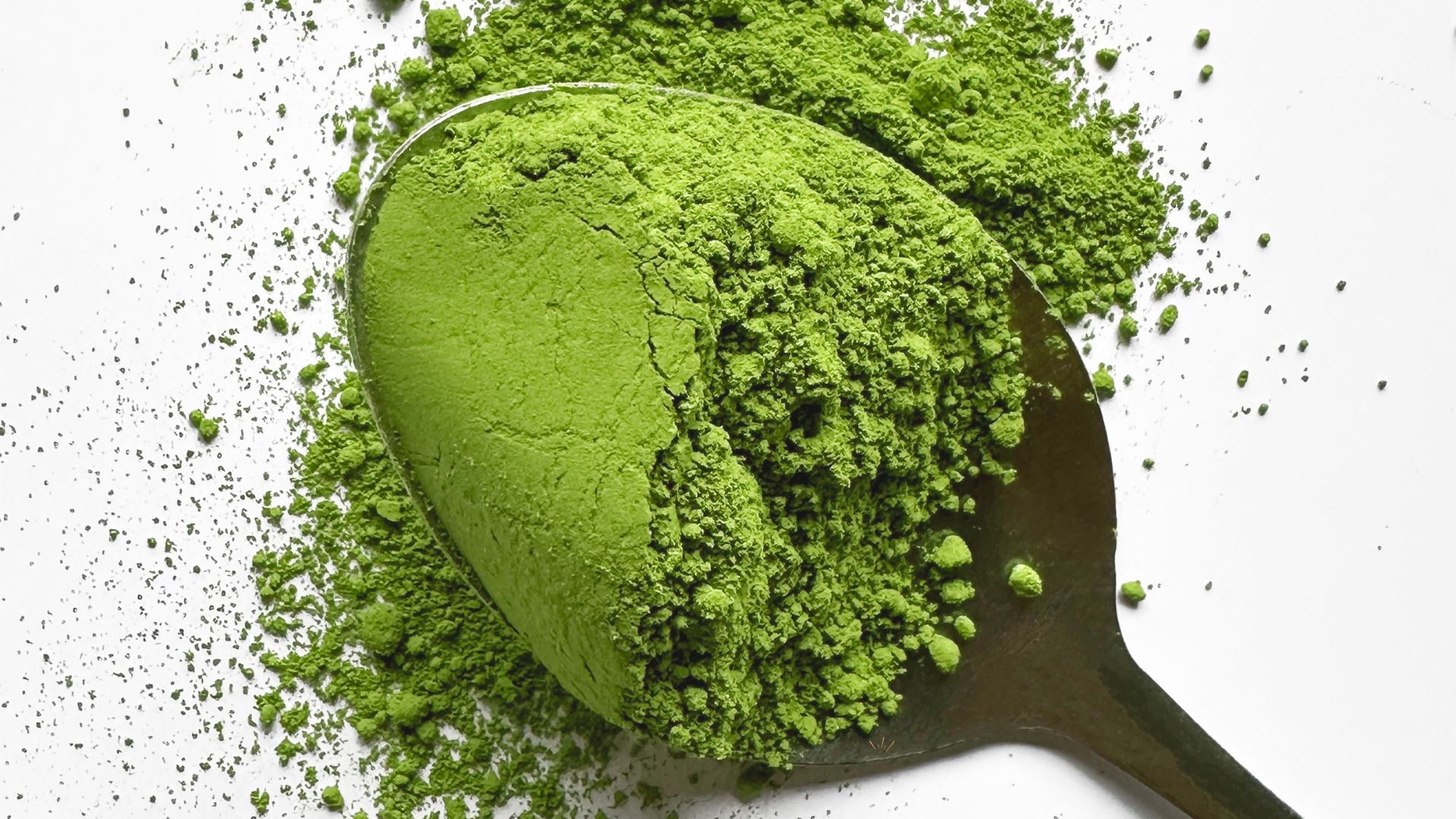
Why measuring kratom accurately matters
Kratom is not table salt. Unlike cooking ingredients where an extra pinch rarely matters, the amount of kratom you use has a direct and noticeable effect on how it works. Getting the measurement right is one of the most important habits you can develop as a user.
Why even small differences in dose make a big impact
The active alkaloids in kratom powder, primarily mitragynine and 7-hydroxymitragynine, are dose-sensitive. A difference of just 1 to 2 grams can shift the character of the experience noticeably.
Lower amounts are typically associated with more stimulating effects, while higher amounts tend to produce a calmer, more sedating result. This means that a carelessly heaped spoon versus a level one is not a minor variation. It can represent a functionally different serving entirely.
The risks of guessing your kratom amount
Estimating your kratom by eye or using imprecise household tools introduces unpredictability into every session.
You may notice inconsistent results from day to day without understanding why, and over time that guesswork can lead to using more than necessary, which increases the chance of side effects such as nausea, dizziness, or fatigue.
Accurate measurement protects both your experience and your overall wellbeing. If you struggle with the taste that comes with higher volumes of powder, it's also worth reading our guide on how to make kratom taste better.
Who needs to be extra careful with dosing
Anyone new to kratom should treat measurement as non-negotiable from the very first use. The same applies to people with lower body weight, those who are sensitive to plant compounds in general, or anyone combining kratom with other supplements.
Experienced users who switch to a new strain or a different product, such as moving from standard powder to a kratom extract, should also recheck their amounts, since potency can vary significantly between formats and batches.
How many grams of kratom are in a teaspoon or tablespoon?
This is the question almost every kratom user asks at some point, and the answer is not as straightforward as it might seem.
How much kratom is in a teaspoon?
A level teaspoon of kratom powder typically holds between 2 and 3 grams. The most commonly cited average is around 2.5 grams for a finely milled, standard green or red vein powder.
However, a heaped teaspoon can contain 4 grams or more, which is a significant difference. Nearly double the amount in some cases. This is why "one teaspoon" is never a precise measurement on its own.
How many grams of kratom are in a tablespoon?
A tablespoon is approximately three times the volume of a teaspoon, so a level tablespoon of kratom powder contains roughly 6 to 9 grams, with 7 grams being a common estimate for a level measure of typical powder.
Again, the actual weight depends heavily on how the spoon is filled and what powder you are using.
Why the number varies depending on the strain and grind
Kratom powder density is not uniform. A coarser grind traps more air between particles and therefore weighs less per volume than an ultra-fine powder. White vein strains are often processed slightly differently than red or green veins, and kratom extracts are denser still.
The same teaspoon can hold anywhere from 2 to 4.5 grams depending purely on the product in front of you, which is exactly why volume-based measuring is unreliable.
How to measure kratom accurately
Understanding the limitations of spoon measurement naturally leads to the question of what you should use instead.
Using digital scales: the most reliable method
A digital kitchen scale with 0.1 gram precision is the gold standard for measuring kratom. These scales are inexpensive and widely available, and they completely eliminate the variables of grind texture, strain density, and spoon technique.
Simply tare the scale with your container and add powder until you reach your target weight. This is the only method that gives you a truly consistent result every single time.
Using measuring spoons when you don't have a scale
If a scale is not available, a measuring spoon is better than nothing, but it must be used consistently. Always use the same spoon, always level it off with a straight edge, and always use the same technique.
Treat the resulting estimate as approximate and adjust based on your experience. A level teaspoon as a rough guide to approximately 2.5 grams can work for short-term situations, but it should not become a permanent practice.
How much kratom is in a capsule?
Standard size 00 kratom capsules, which are the most common type used for kratom, hold approximately 0.5 grams of powder each.
Size 000 capsules can hold up to 0.8 to 1 gram. This makes capsules a convenient alternative for those who want pre-portioned amounts, though the total number of capsules per serving still needs to reflect your intended gram target.
What does a gram of kratom actually look like?
One gram of kratom powder fits roughly into a slightly rounded quarter teaspoon. It is a small amount. Visually less than most people expect.
This is a useful mental reference, but it also illustrates why visual estimation is so easy to get wrong. The powder is light and fluffy, and small differences in packing create large differences in weight.
General kratom serving size guidelines
Serving sizes in the kratom community vary based on individual tolerance, body weight, and the product being used. The following serves as a general orientation rather than a medical recommendation.
You can find a broader overview of what kratom actually is on the dedicated What is kratom? page.
Understanding kratom serving size for beginners
First-time users are consistently advised to begin with 1 to 2 grams and observe the effects before considering any adjustment. This starting point allows the body to respond without being overwhelmed, and gives you a clear baseline for comparison.
Those who prefer not to deal with powder measurement at all may find kratom tablets a more convenient starting point.
How serving size differs by experience level
|
Experience level |
Typical serving range |
|
Beginner |
1–2 g |
|
Occasional user |
2–4 g |
|
Regular user |
3–5 g |
|
Experienced user |
4–6 g |
|
High tolerance |
6+ g (with caution) |
These ranges reflect commonly reported community use patterns. Individual sensitivity varies significantly, and more is not always better, many users find that their sweet spot sits well within the lower half of these ranges.
Valuable tips for measuring kratom at home
Consistency matters as much as accuracy. Here are the most practical habits to develop:
- Always use the same measuring tool and technique
- Level off spoons with a flat edge rather than packing or heaping
- Keep a simple log of your amounts and effects to identify your personal optimal range
- Store kratom in a sealed container to prevent moisture from affecting density
- Weigh a reference amount with a scale at least once to calibrate your spoon estimates
Common measuring mistakes and how to avoid them
Even experienced users fall into habits that introduce inconsistency into their measuring routine.
Why loose vs. packed spoons give different results
The way powder settles into a spoon has a dramatic effect on the final weight. Tapping the spoon or pressing the powder down, even slightly, can add 0.5 to 1 gram compared to a gently filled level spoon.
This is one of the most common reasons users report inconsistent results despite "measuring the same amount every time." Establish a single, repeatable filling technique and never deviate from it.
How strain density affects your measurement
Extracts, enhanced powders, and kratom leaves all have different densities than standard powder. If you switch products and continue using the same spoon measurement by volume, you may end up with a meaningfully different gram amount without realizing it.
Whenever you change your kratom product, recalibrate your approach, ideally with a scale.
Tips for consistent results every time
The simplest system is to invest in a reliable digital scale, label your regular serving size somewhere accessible, and treat each session as a deliberate choice rather than a routine habit.
Avoiding the assumption that "one teaspoon is one teaspoon" across different products is the single most impactful step most users can take toward consistent, predictable results.
For more practical tips on everyday kratom use, browse our articles about kratom on the Kratomit blog.
Summary
So, how many grams of kratom are in a teaspoon? A level teaspoon holds approximately 2 to 3 grams, with 2.5 grams being the most common average for standard fine-ground kratom powder. But the actual amount can vary by as much as 100% depending on the strain, grind, and how the spoon is filled.
The only truly reliable method is a digital scale. If you are working without one, always level off your spoon, stick to one consistent technique, and treat volume measurements as estimates rather than facts.