_(1).svg)
Do you enjoy using kratom while hiking, relaxing in nature, or spending time outside? Kratom can be a helpful companion for energy, focus, or relaxation during outdoor activities—but it’s essential to be mindful of how, when, and where you use it. Whether you’re new to kratom or an experienced user, there are specific risks and best practices when consuming kratom in open-air environments. In this article, we’ll walk you through everything you need to know to use kratom responsibly and safely outdoors.
Why people use kratom outdoors
Kratom (mitragyna speciosa) is known for its energizing, soothing, or pain-relieving effects, depending on the strain and dosage. These qualities make it appealing for various outdoor situations:
-
Hiking and long walks: boosts stamina and focus
-
Camping or nature retreats: enhances relaxation and mood
-
Physical activity: may reduce muscle discomfort or soreness
-
Mental clarity: helps with mindfulness in natural settings
However, outdoor conditions bring unique variables that can influence kratom’s effects or safety.
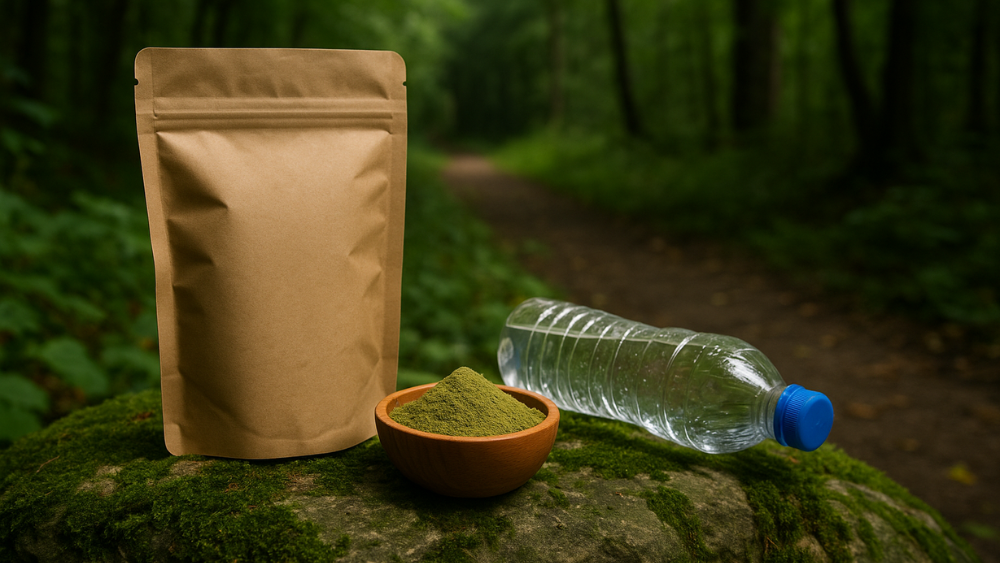
1. Temperature and hydration
One of the biggest concerns when using kratom outdoors is dehydration. Kratom has mild diuretic effects, and when combined with physical activity or heat, this can lead to:
-
headaches
-
dizziness
-
muscle cramps
-
fatigue
Best practice:
-
drink plenty of water throughout the day
-
avoid combining kratom with caffeine or alcohol in the sun
-
use kratom in cooler parts of the day, especially in summer
2. Sun exposure and overheating
Some kratom strains—especially white and green vein varieties—can stimulate the body and increase heart rate. When used in hot weather, this can lead to overheating or heat exhaustion.
Watch for:
-
excessive sweating
-
rapid heartbeat
-
nausea or confusion
-
heatstroke symptoms
What to do:
-
take breaks in the shade
-
wear light, breathable clothing
-
use smaller doses than you would indoors
3. Dosing accuracy in uncontrolled environments
Outdoor use often means less control over your surroundings. Whether you’re in a forest, park, or beach, measuring kratom accurately can be difficult without proper tools.
Tips:
-
pre-measure your dose at home
-
store it in clearly labeled containers or tablets
-
avoid “eyeballing” powder doses—this leads to inconsistency and risk
4. Stomach sensitivity and food intake
Many people prefer using kratom on an empty stomach for stronger effects. But this can be problematic when outdoors:
-
physical activity may upset the stomach
-
lack of food can amplify nausea
-
outdoor heat combined with kratom can worsen digestive issues
Strategy:
-
eat a light snack before taking kratom
-
avoid high-fat or spicy foods
-
if nausea hits, stop physical activity and rest
Local laws and public perception
Even in countries where kratom is legal, public use may cause confusion or unwanted attention. People unfamiliar with kratom may misunderstand its appearance or effects, especially in open or crowded spaces.
Always:
-
respect local regulations
-
use kratom discreetly, especially around children or families
-
avoid discussing kratom in public unless necessary
6. Interactions with other substances
Spending time outdoors often includes socializing, where alcohol or cannabis might be present. Combining kratom with other substances can lead to unpredictable interactions, especially in uncontrolled settings.
Be cautious:
-
avoid mixing kratom with alcohol or sedatives
-
do not drive or operate machinery after taking kratom
-
if you're unsure how kratom will affect you, stay in a safe, calm environment
7. Environmental responsibility
When using kratom outdoors, think about the impact on nature. Kratom powder, capsules, or packaging should never be left behind.
Follow leave-no-trace principles:
-
take all wrappers, bottles, and bags back with you
-
do not discard kratom capsules or tea bags in natural areas
-
be respectful to others sharing the space
8. Emergency readiness
While kratom is considered safe when used responsibly, unexpected reactions can occur—especially in heat, during physical strain, or if a higher dose is taken accidentally.
Be prepared:
-
never use kratom alone in remote locations
-
keep a charged phone with you
-
inform a friend or companion of your plans and what you’ve taken
Summary: how to use kratom safely outdoors
| Risk | Precaution |
|---|---|
| dehydration | stay hydrated and avoid stimulants |
| overheating | use lower doses and rest in shade |
| inaccurate dosing | pre-measure and label your dose |
| nausea | eat light meals before use |
| legal issues | respect local rules and be discreet |
| interactions | avoid mixing with other substances |
| littering | pack out everything you bring |
| emergencies | never use alone and carry a phone |
Conclusion: enjoy nature, but stay aware
Kratom can enhance your connection to nature, improve your mood, and support physical performance—but only when used mindfully. Outdoor settings present unique challenges that require preparation and caution. Respect your body, your surroundings, and the local regulations. Always stay hydrated, use lower doses, and listen to how your body responds. If you’re responsible and well-informed, kratom can be a valuable natural tool for outdoor wellness and balance. For high-quality kratom tested for purity and potency, visit www.kratomit.eu – your trusted source for premium kratom in europe.