_(1).svg)
Are you wondering how to enjoy quality sleep as easily and effectively as possible? Quality sleep is not just a pleasant bonus, but a foundation for health. Yet many people have trouble falling asleep at night, wake up during the night, or get up tired in the morning. Stress, blue light from screens, bad habits, and poor diet are often to blame. The good news is that even small changes can have a big impact.
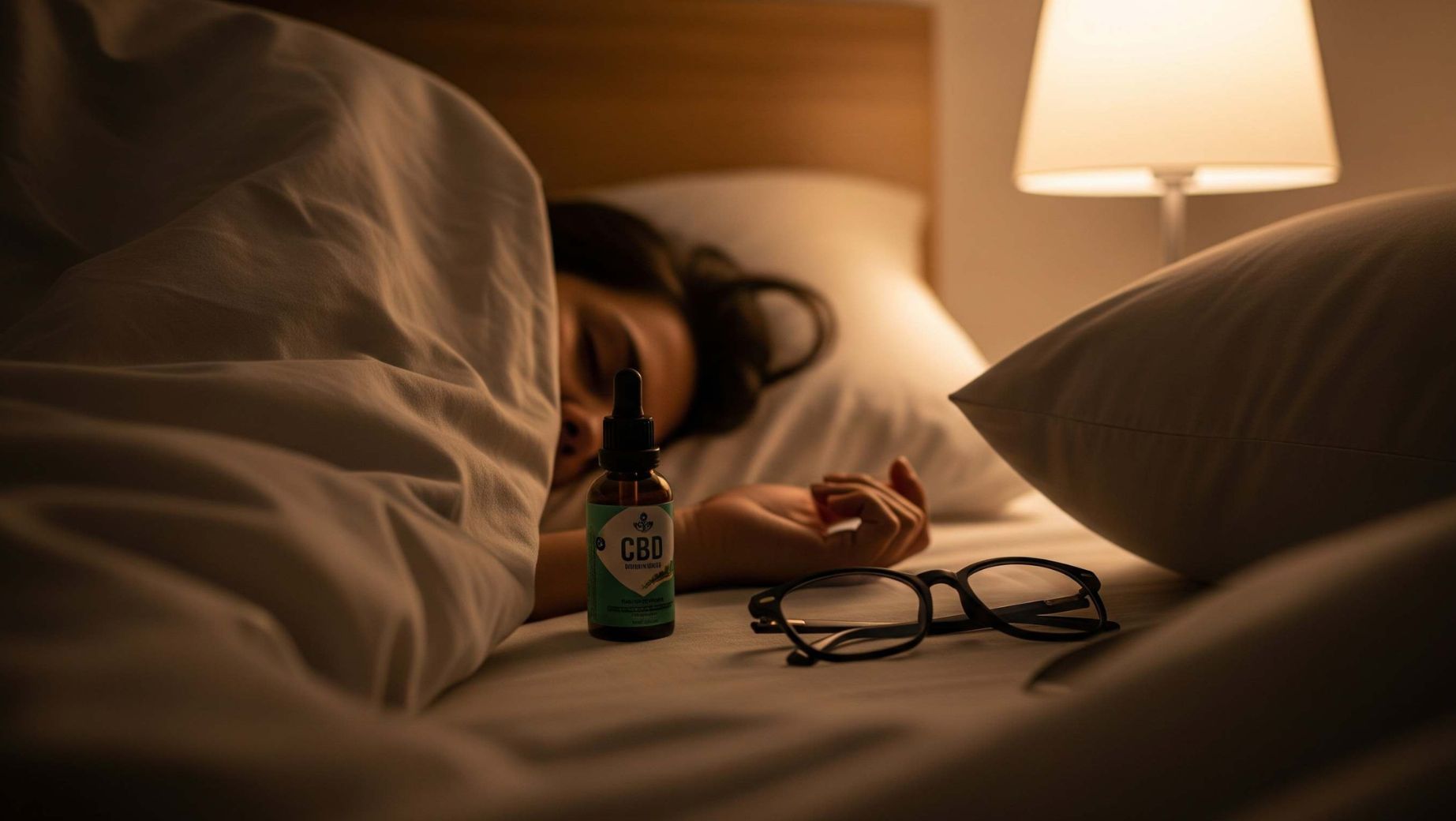
Why is sleep so important?
We keep hearing that quality sleep is essential. But why?
- It restores the brain and memory – during deep sleep, information is processed and brain cells are cleaned.
- It boosts immunity – the body produces defensive substances and regenerates during sleep.
- It helps maintain weight – hunger and satiety hormone levels are regulated during sleep.
- It improves mood – quality sleep reduces stress, anxiety, and the risk of depression.
- It supports muscle and tissue regeneration – important for athletes and during regular physical exertion.
On the other hand, lack of sleep can result in irritability, poor memory, weakened immunity, and a higher risk of lifestyle diseases.
5 tips for better sleep
Here are 5 proven tips to help you sleep better.
1. CBD
CBD, or cannabidiol, is a natural compound from hemp. It is not intoxicating and is not a psychoactive substance, but it has calming and relaxing effects.
What can CBD help you with?
- It helps calm the mind and body.
- It allows for a more natural and deeper sleep.
- It reduces stress and tension.
A study published in the Permanente Journal (2019) showed that CBD helps improve sleep quality in most patients with anxiety and sleep disorders.
How to use: Take CBD oil or capsules about 30 to 60 minutes before bedtime. Start with a small dose and monitor the effect. The advantage is that it is non-addictive.
2. Limit blue light
It is important to protect your melatonin, the hormone that regulates the sleep cycle and tells the body when it’s time to sleep. Blue light from screens – phones, laptops, TVs – suppresses melatonin production.
How to prevent this?
- Blue light blocking glasses
- Night mode on screens
- Turn off all devices an hour before bedtime and do a calming activity
Research from Harvard Medical School, 2012 confirms that blue light in the evening disrupts the circadian rhythm and can worsen sleep quality.
3. Focus on dinner
Your evening meal significantly affects sleep quality.
We recommend:
✅ Light meals 2–3 hours before bedtime
✅ Foods rich in magnesium: almonds, spinach, oats
✅ Tryptophan: cottage cheese, bananas, turkey meat
Avoid:
❌ Heavy and fatty meals
❌ Caffeine at least 6 hours before sleep
❌ Alcohol – disrupts the REM phase of sleep
4. Rituals and Regularity
The body loves routine and works like biological clocks. When you go to bed and wake up at different times, you give it mixed signals.
Try this:
- Go to bed and wake up at the same time every day
- Evening routine: herbal tea, warm shower, calm music
- Aromatherapy (e.g. lavender) – soothes and prepares for sleep
5. Regular Movement
Movement is important, but especially at the right time. Movement during the day:
- Improves sleep quality
- Supports tension release
- Helps to fall asleep faster
Warning: Intensive exercise in the evening (e.g. weightlifting) can make sleep more difficult.
Interesting fact: Yawning is contagious due to empathy
When you see someone yawning, do you yawn too? This is no coincidence. Yawning is related to empathy and social connection and shows that you are tuned in to others. It is also a signal from the body that it is time to rest.
Summary
Sleep is not lost time. It is a crucial investment in your health, mental well-being, and appearance.
Therefore, try:
- CBD to calm the nervous system
- Protection against blue light
- Dinner rich in magnesium and tryptophan
- Regularity of your sleep schedule
- Movement during the day, ideally in the afternoon
Quality sleep will help you better manage stress, improve concentration, and support overall vitality long-term.

List of sources used
Shannon, S. et al. (2019). Cannabidiol in Anxiety and Sleep: A Large Case Series. The Permanente Journal.
Harvard Health Publishing (2012). Blue light has a dark side. Harvard Medical School.
Author: Dominik