_(1).svg)
Do you feel stressed and drained at the same time, but have no idea whether you need something to calm you down or something to pick you up? Ashwagandha and rhodiola are the two most popular adaptogens for exactly this situation, yet they work in almost opposite directions. One helps you slow down and recharge, the other helps you keep going when fatigue hits. Read on and find out which of them matches your body, your daily routine and your goals.
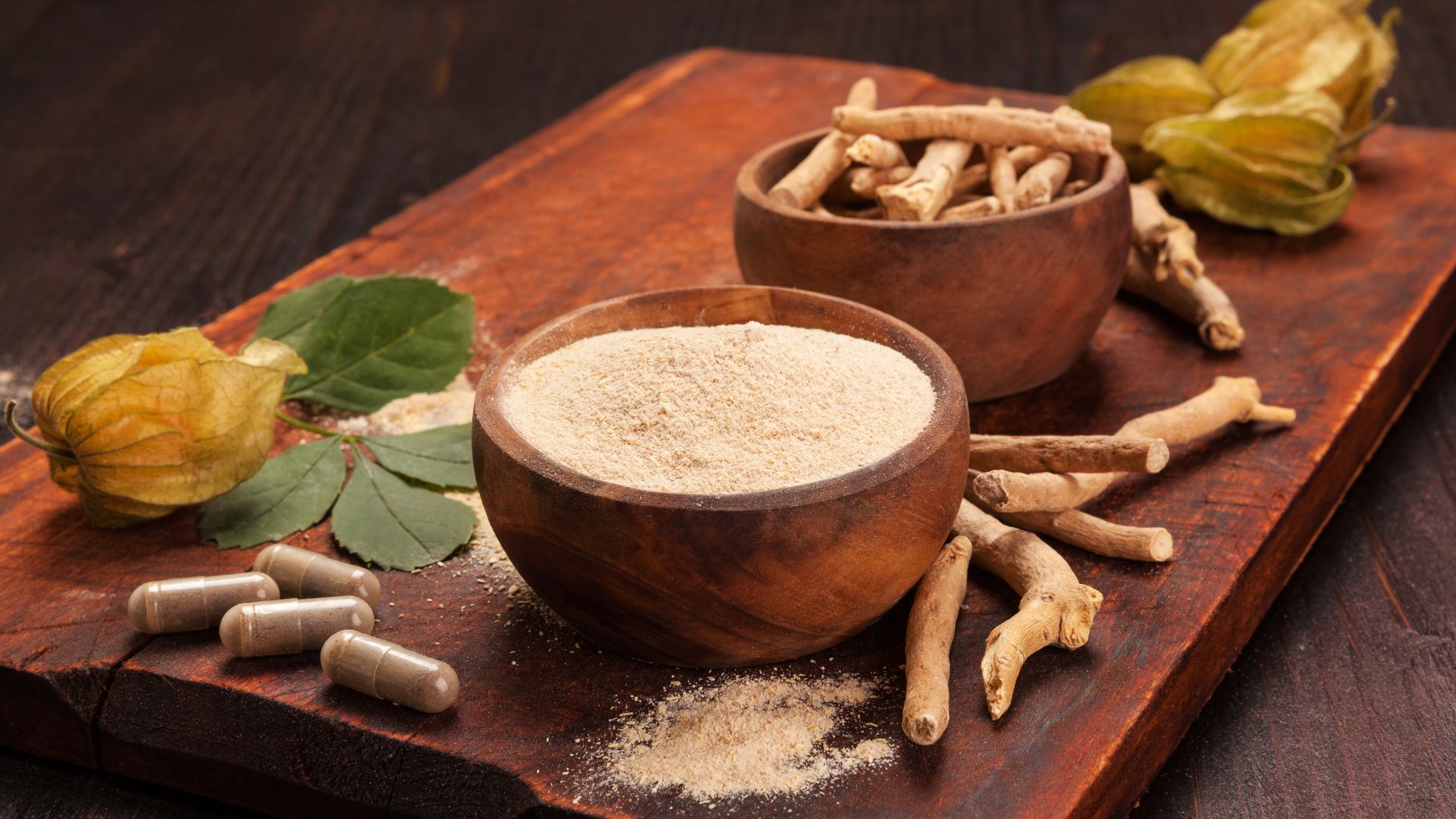
What is the main difference between ashwagandha and rhodiola
The main difference is simple. Ashwagandha calms, while rhodiola energizes. Both are adaptogens, which means they help your body cope with stress, but each does it differently.
Ashwagandha works by lowering tension, reducing stress hormones and supporting rest. Rhodiola works by fighting mental and physical fatigue and helping you stay sharp under pressure.
Think of ashwagandha as a brake for an overloaded nervous system and rhodiola as a second wind for a tired one. Neither is better in general. They simply address different kinds of stress.
That is why the real question is not which herb is stronger, but how your stress actually shows up. Once you know that, the choice becomes much easier.
What is ashwagandha and how does it work?
Ashwagandha (Withania somnifera) is a small shrub native to India, the Middle East and parts of Africa. It has been used in Ayurveda for more than 3,000 years, where it is valued as a tonic for strength, vitality and calm.
The part used in supplements is mainly the root. Its key active compounds are called withanolides, and they are behind most of the effects people notice.
Research suggests that ashwagandha can lower cortisol levels, reduce perceived stress and improve sleep quality. Many people describe the feeling as being calmer and more grounded rather than sedated.
It has also been studied for its effect on testosterone in men, so it often comes up when people look into the signs of low testosterone. If you want to separate real evidence from marketing hype, take a look at our overview of myths and facts about ashwagandha.
What is rhodiola and how does it work?
Rhodiola rosea, also known as golden root or arctic root, grows in cold mountain regions of Europe, Asia and Scandinavia. It was traditionally used by people living in harsh climates to boost endurance and resist exhaustion.
Its main active compounds are rosavins and salidroside. These support the body's ability to perform under stress and help reduce the feeling of burnout.
Studies have looked at rhodiola in students during exams, night shift workers and people with stress related fatigue. The most consistent findings point to less mental fatigue, better concentration and improved mood during demanding periods.
In this sense it resembles Korean ginseng, although rhodiola usually feels gentler and less stimulating. For a deeper look at the plant itself, read our article on what rhodiola is and what effects it has.
Ashwagandha vs. rhodiola side by side
The table below sums up the key differences at a glance, so you can quickly see which herb fits your needs.
| Ashwagandha | Rhodiola | |
|---|---|---|
| Latin name | Withania somnifera | Rhodiola rosea |
| Origin | India, Ayurveda | Northern Europe, Asia, Siberia |
| Key compounds | Withanolides | Rosavins, salidroside |
| Overall feel | Calming, grounding | Energizing, focusing |
| Best for | Anxiety, tension, poor sleep | Fatigue, brain fog, burnout |
| How fast it works | Gradually over 2 to 8 weeks | Often within hours or days |
| Common daily dose in studies | 250 to 600 mg root extract | 200 to 600 mg standardized extract |
| Best time to take | Evening or split during the day | Morning or early afternoon |
| Possible side effects | Drowsiness, stomach upset | Restlessness, trouble sleeping |
Which is better for stress and anxiety?
For anxiety and chronic stress, ashwagandha is usually the better choice. It has more research behind it in this area, especially when it comes to lowering cortisol and reducing feelings of worry.
Ashwagandha suits people whose stress feels like inner tension, a racing mind or constant alertness. It helps the nervous system settle down so you can react to everyday pressure more calmly.
Rhodiola also helps with stress, but in a different way. It is more useful when stress has turned into exhaustion, lack of motivation or burnout, where you feel empty rather than wound up.
If you are exploring more calming options, GABA is another natural way to support inner calm, and it is often compared with ashwagandha.
Which is better for energy, focus and fatigue?
For energy and mental performance, rhodiola wins. It is one of the few adaptogens that can make a noticeable difference in how alert you feel within a short time.
Rhodiola does not work like caffeine. Instead of a quick spike followed by a crash, it helps you maintain steady energy and concentration, especially when you are tired or under pressure.
That is why it regularly appears among supplements for better learning and is popular with students and people with mentally demanding jobs.
If focus is your main goal, you may also want to read about calming and focusing amino acids that some people combine with rhodiola.
Which one helps you sleep better?
Ashwagandha is clearly the better option for sleep. Its Latin name somnifera literally means sleep inducing, and studies show improvements in sleep quality and in how rested people feel after waking up.
It does not knock you out like a sleeping pill. It rather reduces the stress and overthinking that often keep you awake at night.
Rhodiola, on the other hand, can make it harder to fall asleep if you take it too late in the day. It is best kept for the morning.
Ashwagandha works best together with healthy evening habits, so have a look at our tips on what helps you sleep. Many people also add magnesium in the evening for even better relaxation.
Can you take ashwagandha and rhodiola together?
Yes, ashwagandha and rhodiola can be taken together, and many people find the combination works better than either herb alone. They complement each other, one supporting daytime energy and the other evening calm.
The key is to use them wisely and give each herb its own role in your day.
- Take rhodiola in the morning to support energy, focus and motivation during your working hours.
- Take ashwagandha in the evening to help you unwind, lower stress hormones and sleep more deeply.
- Start with one herb first for a week or two, so you know how your body reacts before adding the second one.
- Keep the doses moderate and stay within the ranges used in studies rather than doubling up.
- Take regular breaks, for example a week off after every six to eight weeks of use.
This split approach gives you calm focus during the day and quality rest at night, which is exactly what most stressed people are looking for.
Summary
So which one is for you? If your stress shows up as tension, racing thoughts and poor sleep, ashwagandha is the better choice. If it shows up as exhaustion, brain fog and low motivation, rhodiola will likely serve you better.
Many people eventually combine them, with rhodiola in the morning and ashwagandha in the evening. Whichever you choose, start with a low dose, give it enough time and listen to how your body responds.