_(1).svg)
In the world of health and nutrition, new "miraculous" substances constantly appear, promising longevity, beautiful skin, and strong health. Some come and go, while others quietly but surely build their reputation. One of those inconspicuous yet exceptionally effective substances is astaxanthin. What is it and why should you care?
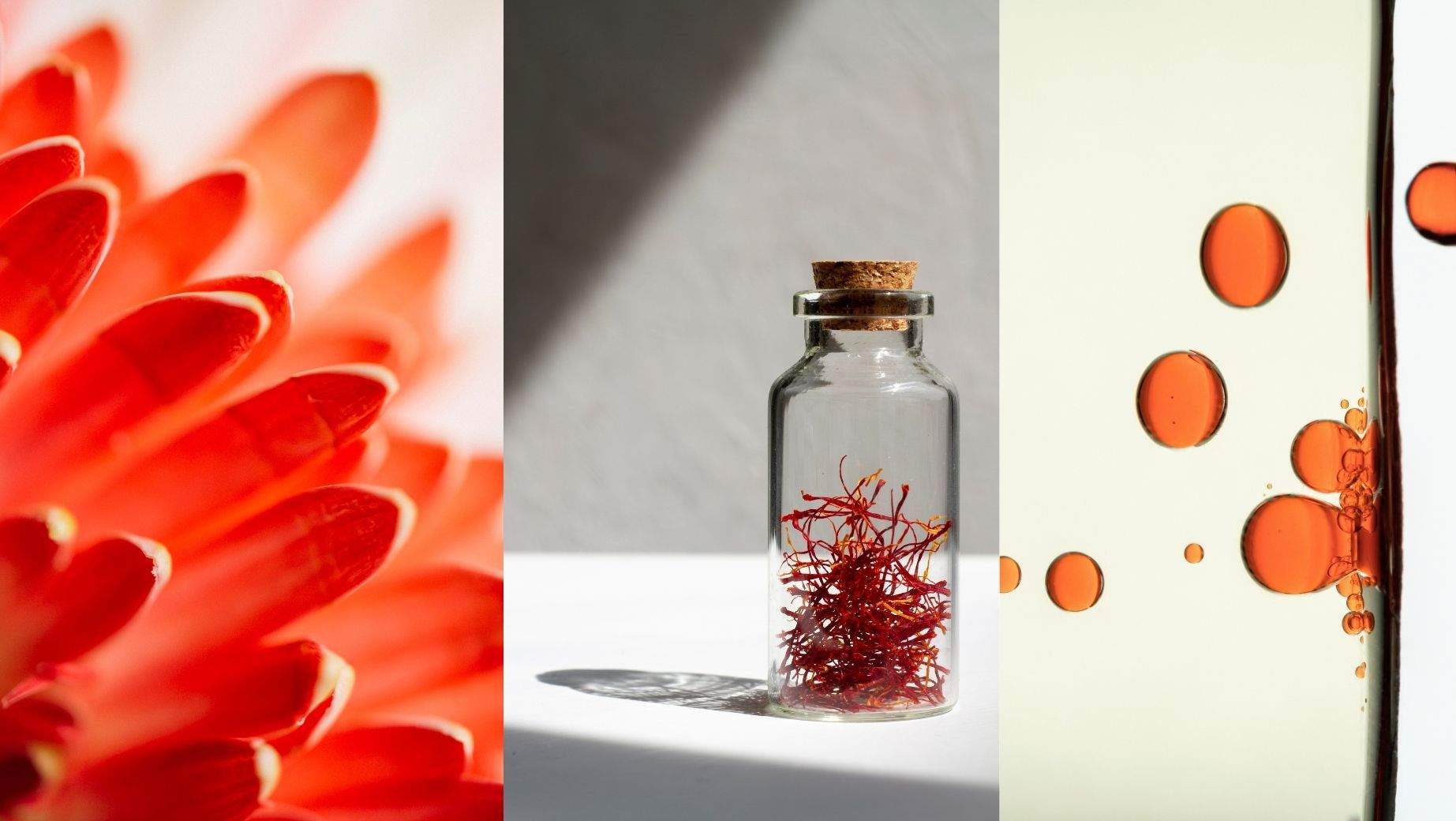
What is astaxanthin?
Astaxanthin is a red pigment from the carotenoid group. It is produced by specific microalgae and gives salmon, shrimp, and flamingos their typical pinkish color. But what is important? Astaxanthin is an extremely powerful antioxidant. In fact, it is among the strongest known antioxidants in nature.
Why is astaxanthin so special?
First, let's explain why antioxidants are important. Antioxidants protect our cells from so-called oxidative stress, that is, from damage caused by free radicals. This can lead to premature aging, chronic diseases, inflammation, and other problems. But astaxanthin is different from common antioxidants.
Comparison of astaxanthin with common antioxidants:
- up to 6000× stronger than vitamin C
- 550× stronger than vitamin E
- 40× stronger than beta-carotene
Additionally, it can protect cells both from the outside and the inside, because it passes through cell membranes. Thanks to this, it has a whole-body effect, meaning it acts on the brain, eyes, skin, heart, and joints overall.
Effects of astaxanthin
Let's summarize the effects that this antioxidant offers:
Brain and nervous system
Astaxanthin can penetrate the brain and protect nerve cells from oxidative stress, which contributes to brain aging and neurodegenerative diseases. Because of this, it may help improve concentration, memory, and reduce feelings of fatigue.
Vision
Astaxanthin improves blood flow to the eye and nutrition of the retina, helping to reduce eye fatigue. It also supports visual acuity and regeneration of eye tissues, contributing to better vision and protection against damage.
Regeneration
During physical exertion, astaxanthin helps reduce the amount of harmful free radicals, which leads to faster muscle recovery and less soreness after training. Because of this, it may increase endurance and improve overall physical performance.
Heart and blood vessels
Astaxanthin reduces oxidation of LDL cholesterol, thereby helping to protect blood vessels from damage and inflammation. It may also contribute to lowering blood pressure and generally support cardiovascular health due to its anti-inflammatory effects.
Skin
This antioxidant slows down the aging process of the skin and protects it from harmful UV radiation. It helps improve hydration, elasticity, and the overall appearance of the skin. Additionally, it can reduce inflammation and irritation, for example, acne or eczema.
Joints
Astaxanthin has the ability to relieve inflammation and pain in the joints and supports regeneration of damaged tissues.
Immunity and cell protection
And the best for last? Astaxanthin is an exceptionally strong antioxidant, up to 6000 times more effective than vitamin C, which enables it to efficiently strengthen the immune system and protect cells from damage caused by free radicals.
Where can we find astaxanthin?
Astaxanthin is found in some marine animals and microalgae. However, its amount varies:
-
Microalga Haematococcus pluvialis – the richest known natural source
→ contains up to 3–5% astaxanthin in dry weight
→ used to produce high-quality dietary supplements
-
Wild salmon
→ contains approximately 4–5 mg of astaxanthin per 1 kg of meat
-
Shrimps, crabs, lobsters
→ smaller amounts, about 1–3 mg per kg
-
Flamingos – sounds funny, but their pink coloration is precisely due to astaxanthin from their diet (algae and crustaceans)
-
Krill oil – contains natural astaxanthin
→ approx. 727 mg per kg, but for one dose of krill oil we only take about 0.3-0.7 mg of astaxanthin
What is the optimal dose of astaxanthin?
Dietary supplements usually contain a precisely defined amount, in the range of:
- 4 mg – common daily dose for regular cell protection
- 6–12 mg – doses to support sports performance, eye health, skin, or joints
- Some stronger products may contain up to 20 mg per dose, but these are not intended for daily long-term use
The highest quality supplements are made from microalgae Haematococcus pluvialis, not synthetically. This is an important difference because the natural form is more effective and better absorbed.
Side effects of astaxanthin
Astaxanthin is generally very well tolerated and most people take it without any problems. Nevertheless, a few mild side effects can occur, especially if taken in higher doses than recommended.
-
Digestive issues – mild nausea, bloating, or diarrhea may appear, especially at the beginning of use.
-
Changes in stool color – sometimes stool can have a yellowish or reddish color due to the astaxanthin pigment, which is harmless.
-
Allergic reactions – rarely allergies may occur, such as rash, itching, or swelling; in such cases, use should be discontinued.
-
Lowering of blood pressure – astaxanthin can mildly lower blood pressure, which should be monitored in people with low blood pressure.
-
Interaction with medications – if you take blood thinners, it is advisable to consult a doctor because astaxanthin can slightly affect blood clotting.
To avoid these possible side effects, it is best to follow the recommended dosage, start with a lower dose, and if in doubt, consult a doctor or pharmacist.
Author: Dominik