_(1).svg)
Wondering what kratom actually does in your brain and how to choose it wisely? In this guide, you’ll get a clear, upbeat explanation of how kratom interacts with key receptors, why dose matters, and what to expect from the experience. You’ll also learn practical tips to keep effects clean and predictable. Curious and ready to make an informed choice? Keep reading.
What does kratom do in the brain?
Kratom signature feel comes from a multi-pathway interaction. Its alkaloids cross the blood–brain barrier and partially activate μ-opioid receptors while also modulating noradrenaline, serotonin, and dopamine. Because these signals blend, users often describe a calm, composed clarity rather than a one-note effect.
Key idea: partial agonism usually means a smoother ceiling than classic full agonists. One reason many people report a more balanced headspace.
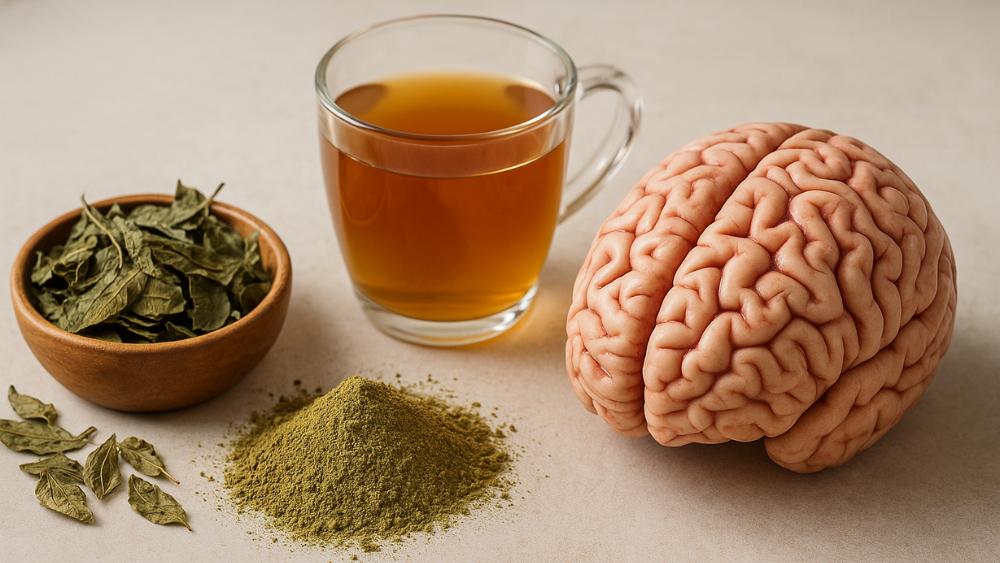
Why do some servings feel energizing and others relaxing?
Kratom’s profile is often biphasic:
- Lower amounts: many users report clean focus, lighter mood tone, and task readiness.
- Higher amounts: the feel can settle the body and quiet mental noise.
How long do kratom’s brain effects last?
By mouth, many people notice:
- Onset: about 30–60 minutes (faster on an empty stomach)
- Peak: 1.5–3 hours
- Duration: often 3–6 hours with a gentle taper
Spacing servings helps avoid overlap and keeps the experience clear and predictable.
Which receptors are involved
- μ-opioid receptors: partial agonism supports a tempered, smoother effect.
- Adrenergic (α-2): can support attention and steady alertness in lighter amounts.
- Serotonergic: may contribute to a comfortable, even mood tone for some users.
- Dopaminergic: subtle modulation (not a sharp spike) that some associate with motivational drive.
What affects how kratom feels for you:
Your experience depends on:
- Product consistency and alkaloid profile
- Amount and timing (with or without food)
- Your own sensitivity and setting
For a smooth, repeatable feel, many customers prioritize reputable sourcing and consistent batches. Consistency = confidence in how your brain will respond.
Is kratom better for focus or for winding down?
It can support either, depending on how you approach it:
- Aim for lighter amounts when you want clearer concentration and get-things-done energy.
- Lean higher (within your comfort and local rules) when you want a more settled, restful vibe.
Pro tip: pair the amount with your goal and schedule. For example, lighter earlier in the day, more settling later.
Kratom and brain fog:
Most users seeking clarity prefer lower, well-spaced amounts. If you go too high for your sensitivity, you might feel heavy or drowsy.
Simple guardrails: start low, avoid stacking, and give each serving time to work before deciding.
Frequently asked questions
Is kratom a stimulant or a relaxant?
Both, depending on kratom powder amount and context. Many users find lighter amounts support alert focus, while higher amountsfeel calming. Your goal should guide your approach.
Does kratom release dopamine?
Kratom modulates dopaminergic pathways indirectly. Many people describe steady motivation rather than a sharp, fleeting rush.
How do I keep kratom effects clear and productive?
- Start low, go slow
- Avoid stacking servings too close together
- Match the amount to your goal (focus vs. unwind)
- Choose consistent, quality products
Conclusion
So, how does kratom affect the brain? Kratom’s alkaloids cross into the brain and gently engage multiple systems – μ-opioid, adrenergic, serotonergic, and dopaminergic. To create a balanced, dose-dependent experience.
Used thoughtfully, many people find lighter amounts support clean focus, while higher amounts feel calming and collected. Your best results come from quality products, smart amounts, and simple, well-spaced routines. If you value clarity, consistency, and control, choosing a trusted shop and a goal-based approach can make kratom a reliable part of your day. Ready to experience a clearer, more confident headspace? We’re here to help you choose well.