_(1).svg)
Are you wondering whether kratom works better on an empty stomach or after eating? The timing of your dose can make a real difference in how quickly and intensely you feel the effects. In this article, we’ll compare both options and explain which one gives you faster results – and why. Keep reading to find out what really matters when it comes to kratom absorption and onset.
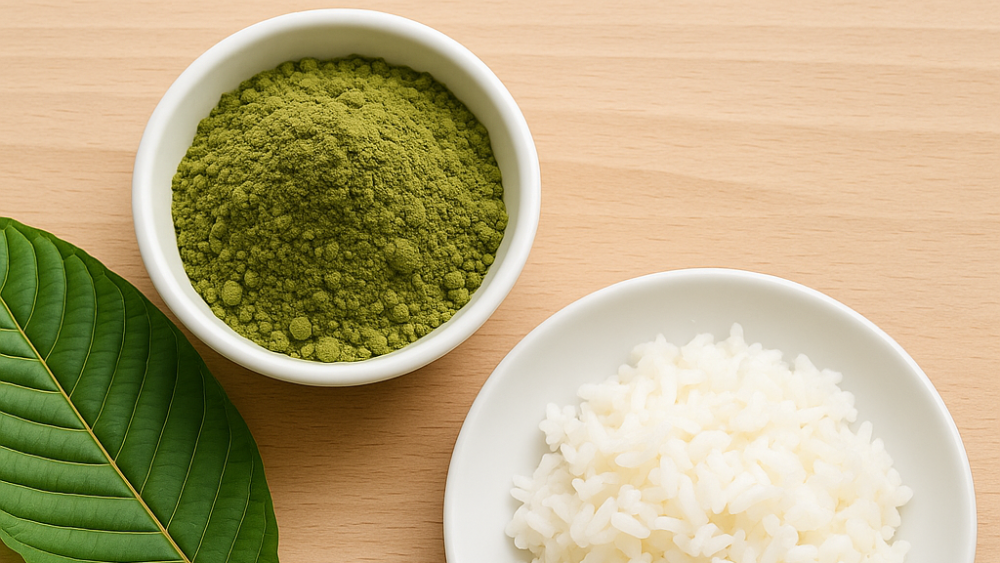
Does kratom work faster on an empty stomach?
Most experienced users agree that kratom taken on an empty stomach kicks in much faster. Without food in the digestive system, the active alkaloids – mitragynine and 7-hydroxymitragynine – are absorbed into the bloodstream more efficiently.
This typically results in the first effects appearing within 15 to 30 minutes after ingestion. This is especially true for powder and tea, which are absorbed more quickly than kratom tablets.
Users often describe the effect as sharper, stronger, and more energizing. However, taking kratom on an empty stomach may also increase the likelihood of nausea, dizziness, or stomach discomfort, particularly for those new to kratom or sensitive to its effects.
What happens if you take kratom after eating?
Taking kratom after a meal slows down the onset of effects. This is because the digestive system is busy processing food, and kratom must wait its turn. Onset can be delayed by 45 to 90 minutes, depending on the size and content of the meal.
While the experience is typically milder and more gradual, the overall duration of effects may be longer. This method can be especially helpful for beginners, since it reduces the risk of overwhelming side effects.
The type of food matters:
-
Heavy, fatty meals slow absorption the most.
-
Light meals or fruit cause only a slight delay.
What do experienced users recommend:
Many regular users rely on the semi-fasted method: they wait around 2–3 hours after a light meal before taking kratom. This allows the stomach to be mostly empty, but not completely. The result is often faster absorption with reduced side effects.
Some also recommend staying well-hydrated and combining kratom with citrus juice (such as lemon or grapefruit) to support digestion and possibly enhance alkaloid absorption.
Comparison table: Kratom onset time by form
Here is how different forms of kratom behave depending on your stomach condition:
| Form | Empty stomach onset | After food onset |
|---|---|---|
| Powder | 15–30 minutes | 45–90 minutes |
| Tea | 10–20 minutes | 30–60 minutes |
| Tablets | 30–60 minutes | 60–120 minutes |
| Tincture | 5–15 minutes | 20–40 minutes |
Liquid and powder forms generally offer the fastest onset, especially when taken without food.
Do different strains react differently?
Yes, strain selection plays a role in how kratom affects you and how fast it works:
-
White vein kratom tends to have the fastest onset and most energizing effects.
-
Green vein kratom provides a moderate balance of stimulation and relaxation.
-
Red vein kratom often has a slower and more calming onset.
If speed is your priority, white vein strains in tea or powder form on an empty stomach are often the most effective option.
What if you take kratom too soon after eating?
If you consume kratom directly after a heavy meal, the onset may be weak or extremely delayed. Some users report feeling little to no effect even at a standard dose. This can lead to re-dosing too soon, which increases the risk of side effects.
To avoid this, it’s best to wait at least 1.5–2 hours after eating before taking kratom, especially if your meal was rich or high in fat.
Should beginners take kratom on an empty stomach?
If you are new to kratom, taking it on an empty stomach may cause nausea, cramps, or dizziness, even at low doses. A better approach is to start with a small meal, such as a piece of fruit or light toast, and wait around 30–60 minutes before taking kratom.
After your body adapts and you better understand your response, you can experiment with timing for quicker effects.
Can kratom cause nausea when taken without food?
Yes, nausea is one of the most common side effects of taking kratom on an empty stomach. This is especially likely at higher doses or with more stimulating strains. Staying hydrated, keeping the dose low (2–3 grams), and avoiding caffeine can help reduce these symptoms.
If nausea persists, consider switching to kratom tea or taking it after a small snack.
Can potentiators help if you’ve eaten?
Some users find that natural potentiators such as lemon juice, grapefruit juice, or turmeric can enhance kratom absorption, even if taken after a meal. These can increase bioavailability, helping the body absorb more alkaloids and possibly reducing the delay caused by food.
However, use caution with potentiators, especially if you’re new to kratom, as effects may intensify more than expected.
Conclusion: Which is better for a quick onset?
If your goal is to feel the effects quickly and strongly, then taking kratom on an empty stomach is the best method. However, it comes with a higher chance of nausea or discomfort, especially for beginners.
For a gentler and more gradual experience, taking kratom after a light meal is safer. The semi-fasted method is often considered the best compromise, offering balanced results with fewer side effects.
Every person is different. The ideal method depends on your goals, your body, and your experience level. Test, adjust, and always start with lower doses to find what works best for you.