_(1).svg)
Have you wondered whether microdosing kratom might quietly enhance your focus, mood, or energy without the overwhelming effects of larger doses? Discover the precise benefits, potential downsides, and essential guidelines you need before exploring this subtle approach. This article will guide you through everything from physiological effects to dosage strategies and mindful monitoring. Dive in for a comprehensive, trustworthy overview.
What is kratom microdosing?
Microdosing involves taking very low, sub‑threshold amounts of kratom – typically 0,5 to 2 grams depending on your sensitivity and the strain’s potency. The aim isn’t sedation or pain relief, but rather a gentle enhancement, boosting mood, cognition, or energy without significant impairment. This approach is often compared to “a mild caffeine lift without the jitters” and works best when carefully dosed and tracked.
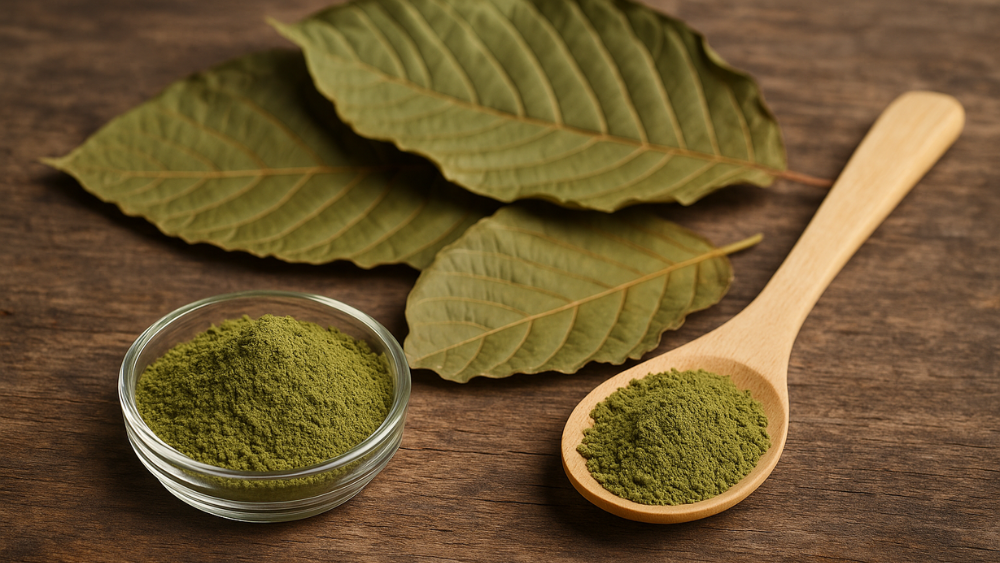
Key benefits of microdosing kratom
- Subtle increase in focus and mental clarity: Many users report improved concentration and sharper thinking, without mental fog or overstimulation.
- Light energy boost with minimal crash: Unlike stimulants, low-dose of kratom powder may support motivation and wakefulness without subsequent fatigue.
- Uplifted mood and sociability: At microdose levels, kratom can gently elevate mood and ease social interaction.
- Low risk of sedation or grogginess: Keeping dosage minimal helps avoid the heavy sedative effects associated with higher amounts.
- Reduced tolerance and dependency risk when microdoses are used intermittently and only as needed.
- Diminished chance of adverse digestive effects, such as nausea or constipation, which are more common at higher doses.
These qualities make microdosing appealing for those seeking cognitive support without compromising daily functioning or experiencing negative side effects.
Potential risks and why caution is essential
Even at low doses, kratom carries risks that careful users need to address:
- Unintentional dose escalation – It’s easy to gradually increase amounts in search of stronger effects, transitioning into higher-dose territory with unwanted sedation or side effects.
- Tolerance buildup – Regular, unbroken use can still lead to diminishing effects and potential dependence.
- Interactions with medications or supplements – Kratom may affect how the liver processes certain drugs, especially sedatives, antidepressants, or other psychoactive compounds.
- Digestive sensitivity – Some individuals experience stomach upset even at minimal dosages.
- Psychological sensitivity – Those prone to anxiety or nervousness might find that even small kratom doses amplify these feelings.
Best practices for safe and effective kratom microdosing
Adopting a structured and observant approach is essential for optimizing benefits while managing risks:
- Begin with the lowest effective dose, such as 0,5 g; increase only in small, cautious increments (e.g., 0,25 g) while closely observing effects.
- Keep a meticulous dosage journal, noting dose, time, mental clarity, energy level, emotional state, sleep quality, and any side effects or after-effects.
- Use intermittent scheduling: For example, microdose every other day or adopt a “four days on, three days off” routine to mitigate tolerance.
- Pay close attention to both physical and psychological feedback, including digestion, mood shifts, alertness, or fatigue.
- Be mindful of other substances, including OTC drugs, supplements, and alcohol, and consult a professional if combining kratom with prescription medications.
- Prioritize a trusted supplier, ensuring quality through identifiable origin, purity, and consistent processing to reduce variability in microdose response.
Deeper considerations
Your overall lifestyle has a direct impact on how your body responds to kratom, even in microdoses. Sleep, hydration, and nutrition are especially important. Adequate rest and a balanced diet can significantly amplify the beneficial effects of microdosing.
While lower doses tend to minimize differences between kratom strains, it's still worth noting that white strains are often more invigorating, whereas green strains may offer a more balanced or harmonizing effect. Keeping track of how different strains affect you over time can help you fine-tune your approach.
It’s also essential to remember that microdosing is not a productivity shortcut. It should be seen as a tool for mental well-being, used with intention and moderation rather than out of habit or pressure to perform.
Most importantly, listen to your body. If you notice diminishing effects or any adverse reactions, it’s a sign to pause or take longer breaks in order to recalibrate your sensitivity.
Holistic kratom strategies for maximizing value
- Pair microdosing with routine physical activity, even light walking or stretching, to support mood and cognitive function.
- Use meditative or reflective practices (breathing, journaling, short walks) while microdosing to center the experience and gain awareness of subtle shifts.
- Track external performance metrics such as task completion time, mood ratings, or energy throughout the day to understand the practical impact.
- Refresh your approach periodically reassessing and re-adjusting dosage, schedule, or strategy ensures long-term sustainability.
Conclusion
Microdosing kratom, when approached with subtlety, structure, and self-awareness, offers the potential for enhancing focus, energy, and mood without the burdens of sedation or dependency. The key lies in beginning with the lowest effective dose, maintaining careful records, implementing regular breaks, and observing personalized responses. Success depends not on chasing stronger effects, but on respectful experimentation and consistency. By honoring caution, tracking effects, and integrating supportive habits, microdosing kratom can become a gentle, effective tool for mental clarity and balanced well‑being.
Author: Dominik