_(1).svg)
Pu Erh tea is very popular for its health benefits, but do you know how to prepare it properly? To get the most out of it, it's important to know when to drink it and how to prepare it correctly.
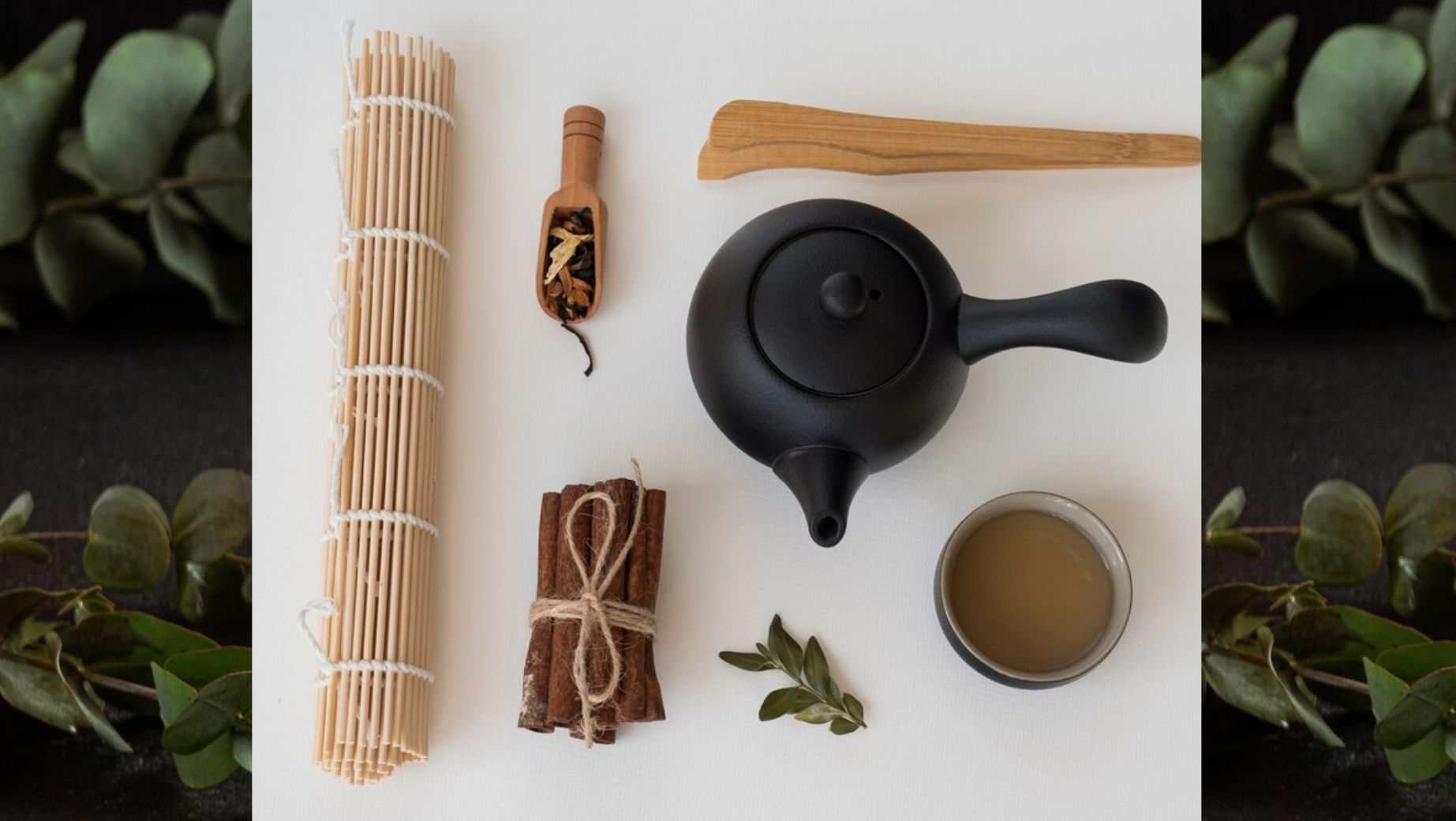
When to drink Pu Erh tea?
Before we get into the best time to drink Pu Erh tea, get familiar with its effects in the previous article: What is Pu Erh tea and what are its effects?
Does it matter when we drink this tea? Yes, timing matters, otherwise we wouldn't be writing about it. Whether you enjoy tea for pleasure or its effects, the ideal time to drink it can vary depending on what you expect from it.
In the morning to kick-start your metabolism
Pu Erh tea contains caffeine, so it can give you a morning boost similar to coffee. However, it is not as harsh on the stomach. If you're on a diet, a cup of Pu Erh after waking up will kick-start your digestion and support fat burning.
After meals to support digestion
One of the strongest points of Pu Erh is its ability to improve digestion, especially of fats. That’s why it’s great as a post-meal drink, especially after heavy or fatty foods. It helps reduce bloating, the feeling of fullness, and stimulates digestion.
In the evening? Watch out for caffeine
Due to the presence of caffeine, it is not recommended to drink Pu Erh right before bed. If you are more sensitive to caffeine, have your last cup in the late afternoon at the latest.
How to prepare Pu Erh tea?
Let’s move on and reveal how to best prepare Pu Erh tea. Preparing Pu Erh is simple but requires some care if you want to really enjoy its taste and benefits.
-
Rinsing the tea: If you are using compressed Pu Erh, such as a cake or brick, the first step is the so-called “awakening” of the tea. It’s not difficult at all—in fact, it’s very simple. Just pour hot water over the leaves, let it sit for about 5 to 10 seconds, and then discard the infusion. This removes dust and prepares the tea for steeping.
-
Water temperature: Ideally, the water should be at around 90 to 100 °C, depending on the type of Pu Erh. For fermented (shou), boiling water is used; for unfermented (sheng), slightly cooled water is better.
-
Steeping time: Steep the first infusion for 1–2 minutes, and you can slightly extend the following ones. Pu Erh tea can be steeped several times in a row, meaning each infusion has a slightly different flavor profile.
-
Tea-to-water ratio: About 1 teaspoon of tea (approx. 3–5 g) per 250 ml of water is recommended, but don’t hesitate to adjust to your taste.
Are there any side effects?
Although Pu Erh is considered a healthy beverage, it can have side effects, especially if consumed in large quantities or at inappropriate times of the day.
These possible side effects include:
-
Insomnia and nervousness: Pu Erh contains caffeine, so excessive consumption, especially in the afternoon or evening, can cause sleep problems, irritability, or rapid heartbeat, especially in more sensitive individuals.
-
Stomach irritation: It may sound paradoxical, but drinking on an empty stomach or using too strong an infusion can irritate the stomach lining in some people, which may result in nausea or heartburn.
-
Possible interaction with medications: The high content of antioxidants and other active substances can affect the absorption of certain medications, such as iron or blood thinners. In such cases, it is advisable to consult a doctor.
-
Excessive diuresis: Pu Erh has mild diuretic effects. In higher consumption, it may lead to frequent urination and fluid loss, which may be unpleasant especially when dehydrated.
How to get the most out of Pu Erh tea?
For Pu Erh tea to have a truly positive impact on your health and deliver the expected results, it is important not only when and how you drink it, but also how often and in what amount.
1. Drink regularly, but in moderation
The ideal amount is 1–3 cups per day. Regular consumption helps with long-term detox, supporting digestion, and fat metabolism. Higher doses are not necessarily more effective—on the contrary, they may burden the body, e.g., through higher caffeine intake.
2. Best time: in the morning and after meals
For maximum fat-burning effect, have a cup in the morning on an empty stomach or during the forenoon. Enjoy the second cup after lunch to support digestion and reduce the feeling of heaviness.
3. Don’t sweeten or add milk
To preserve the tea’s active compounds and effectiveness, do not add sugar or milk. If you find its flavor too strong, try shorter steeping or more water.
4. Try repeated steeping
One portion of tea can be steeped 3–5 times, and each steeping will bring a different flavor profile. This way, you not only save money, but also get more beneficial substances from the tea.
5. Pu Erh works best as part of a healthy lifestyle
Pu Erh alone won’t work miracles—its biggest benefit comes as part of a healthy lifestyle. If you also exercise and eat a balanced diet, the tea will support your efforts for better digestion, clearer skin, and weight loss.
Author: Dominik