_(1).svg)
Kava Kava, also known by its Latin name Piper methysticum, is a plant that deserves your attention. People around the world are discovering its ability to bring a sense of calm and relaxation, so it’s no wonder there’s such interest surrounding it. To truly understand why Kava is so special, it’s good to know not only where it’s grown but also how it works.
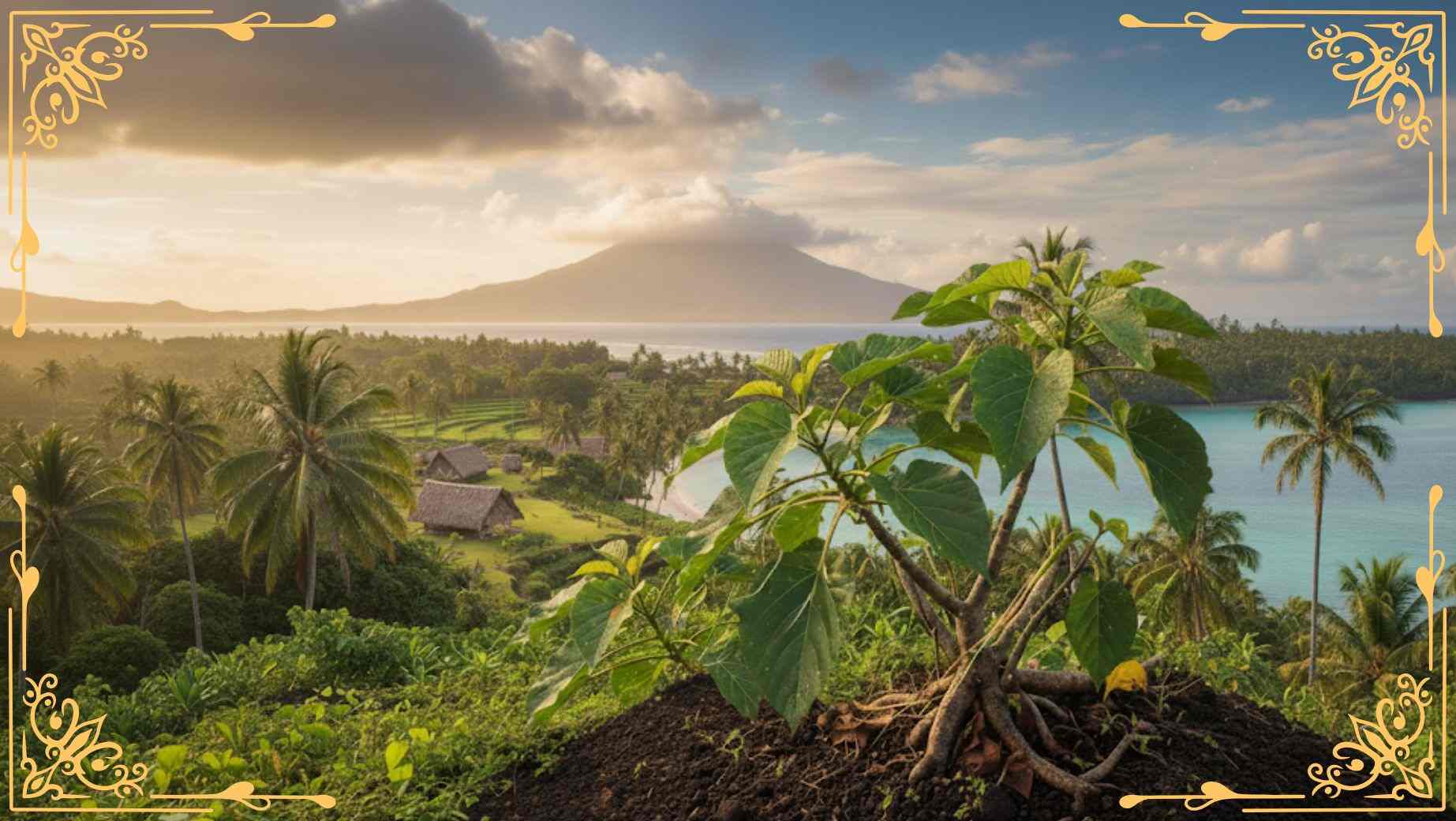
Where is Kava Kava grown?
Kava Kava originates from the tropical Pacific, where it holds a solid place in daily life and rituals. It thrives best on the islands of Polynesia, Micronesia, and Melanesia. The main growing regions include:
- Fiji – probably the most famous place where Kava is not just a plant but a part of culture and social gatherings.
- Vanuatu – often referred to as the “home of Kava,” from where it spread to other parts of Oceania.
- Tonga and Samoa – here, drinking Kava beverages carries a strong ritual significance and is used in ceremonies and celebrations.
- Hawaii – where Kava is called “ʻawa” and is used both for relaxation and in traditional medicine.
Kava Kava cultivation requires specific climatic conditions, meaning a warm and humid environment, rich soil, and plenty of rainfall. Therefore, it grows best in tropical regions. Interestingly, the plant does not grow from seeds but is propagated by cuttings, which means each new bush is essentially a clone of the original plant.
How does Kava Kava work?
What makes Kava so unique are its active compounds called kavalactones. These natural compounds affect the nervous system and can bring several interesting effects. The main effects of Kava Kava are:
-
Muscle relaxation and overall calmness
-
Reduction of stress and tension
-
Support of peaceful sleep
-
Improved mood
Unlike alcohol or other stimulants, Kava does not have intoxicating effects nor does it cause addiction. Instead, it helps induce a feeling of relaxation without dulling the mind. For this reason, it has traditionally been used at social gatherings to allow people to talk and share time together in peace.
Traditional use in the Pacific
In many parts of the Pacific, Kava is more than just a plant. Above all, it is a symbol of hospitality and unity. The beverage made from crushed roots is consumed during:
- welcoming rituals for guests,
- family celebrations,
- meetings of chiefs or communities,
- religious and spiritual ceremonies.
This drink has an earthy taste and is often served in traditional wooden bowls.
Modern view of Kava
Today, Kava Kava is no longer just a matter of distant islands. Thanks to its ability to promote relaxation and mental well-being, it has spread all over the world. It can be found in the form of:
- root powders,
- capsules as dietary supplements,
- extracts and tinctures,
- tea blends.
Recently, even so-called Kava bars have started to appear, where instead of alcohol, Kava drinks are served, becoming an alternative for those who wish to experience a social atmosphere without alcohol.
Why is Kava so valued?
Kava Kava has gained a reputation because:
- it acts naturally – it’s a plant with a long tradition, not a synthetic substance,
- it has relaxing effects without addiction,
- it supports mental well-being – helps reduce tension and stress,
- it is part of a rich culture – it connects people and has deep historical significance.
Conclusion
Kava Kava is not just a tropical plant but a bridge between tradition and the modern world. It is mainly cultivated on the islands of Fiji, Vanuatu, Samoa, Tonga, and Hawaii, where it has roots in rituals and daily life. Thanks to kavalactones, it affects the nervous system, helps promote a sense of calm and well-being, and is gaining increasing popularity beyond the Pacific.