_(1).svg)
You may have seen pictures of people with red teeth and mouths, pulling green leaves out of their pockets and calmly chewing them. No, it's not an exotic replacement for chewing gum. It's betel, a traditional mixture that holds deep significance in many cultures. But why do so many people chew it every day? And what’s the deal with it?
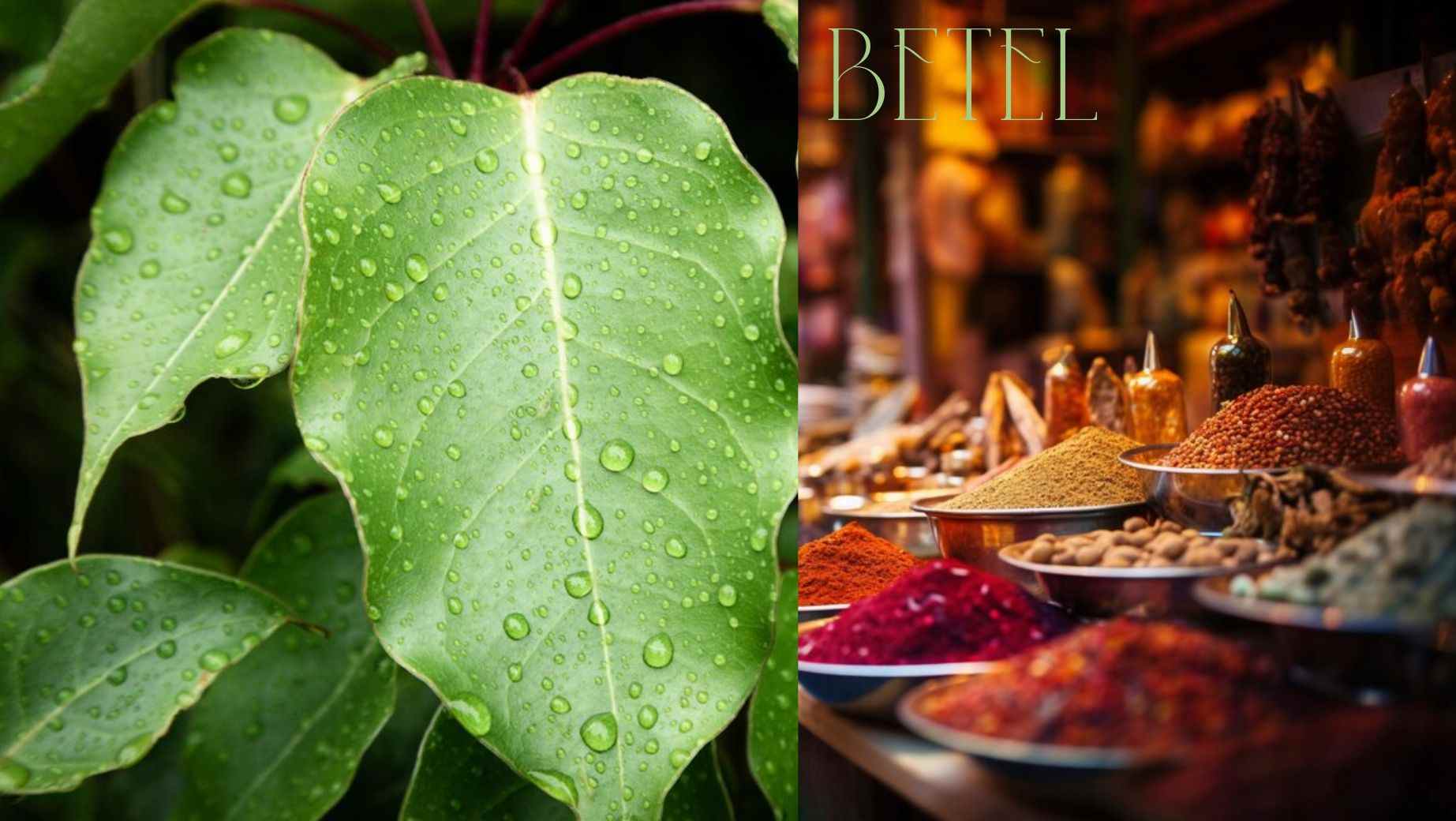
What is betel?
Let’s start from the beginning. The betel leaf comes from the plant Piper betle, which grows in the tropical regions of Asia. However, the leaf itself is not chewed just like that. It is usually wrapped around a areca nut, the fruit of the areca palm, lime, and sometimes tobacco or spices. This mixture is called paan and is known for its stimulating effects, similar to coffee or nicotine.
Are you curious about what exactly betel does to the body and mind? Read the article: What does Betel do and what are its effects?
A tradition with character
So why do indigenous people chew betel? For the indigenous people of India, Sri Lanka, Thailand, Myanmar, Papua New Guinea, and many other places, chewing betel is not just a habit. It is a part of daily life, culture, and rituals. Offering betel is a sign of hospitality, recognition, and sometimes even respect during religious ceremonies.
We can think of it as their way of saying, “Welcome, sit down, let’s talk.” In our culture, we drink coffee, and for them, it’s betel. And it often involves handmade packages made from natural and organic products that the locals prepare themselves. This means no chemicals, no plastic, just pure ingredients provided by nature.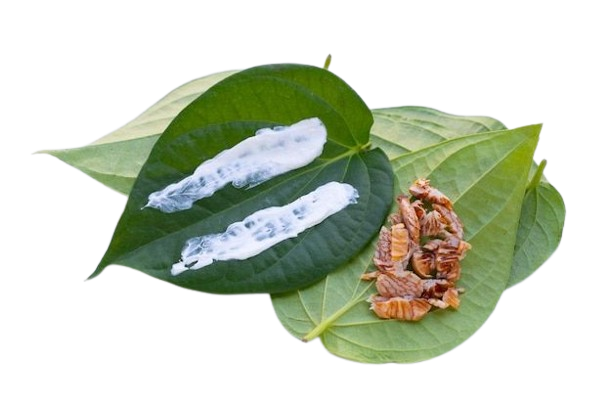
How is betel used?
Preparing betel is a small ritual. Local vendors often work with the skill of an experienced cook. The preparation is traditionally as follows:
- A thin layer of lime is spread on the leaf
- A slice of areca nut, sometimes tobacco and spices are added
- Everything is wrapped into a neat triangle, and it’s ready
What can betel do?
Betel has a wide range of uses, from digestion to rituals. Here are some of the most interesting reasons why people chew it:
-
Mind and body stimulation – due to the alkaloid content, it acts as a mild stimulant that improves mood and promotes alertness.
-
Support for digestion – after a meal, it helps the stomach and freshens the breath.
-
Social symbol – sharing betel strengthens relationships, it’s a part of meetings and celebratory moments.
-
Religious significance – betel is used in rituals, offerings, and as a symbol of purification.
-
Traditional medicine – in some cultures, it is believed to have healing effects on inflammations, toothaches, or infections.
Does betel have any downsides?
We won’t keep you in suspense, but yes, unfortunately, betel does have its downsides. Long-term betel chewing, especially if it contains tobacco, can lead to staining of teeth, gum damage, and an increased risk of oral cancer. The World Health Organization (WHO) considers the areca nut to be a potentially carcinogenic substance.
However, many people in regions where betel is part of life do not let this stop them from its regular use. For them, it’s a tradition, a ritual, and a source of joy.
Cultural symbol or addiction?
Chewing betel leaves is a fascinating example of how a plant can become a cultural symbol. For some people, it’s a way to get energized, for others, it’s a daily ritual that unites the community. And even though it comes with health risks, betel has a firm place in many parts of the world. For some, it’s coffee or beer, and for others, it’s betel.
Author: Terka