_(1).svg)
Imagine a plant that combines gentle stimulation, relaxation, and mood support. This is Mitragyna Hirsuta, a tropical tree from Southeast Asia that is beginning to gain popularity among people seeking natural alternatives to classic kratom. If you are curious about how it works, how it is dosed, and how it differs from kratom, you are in the right place.
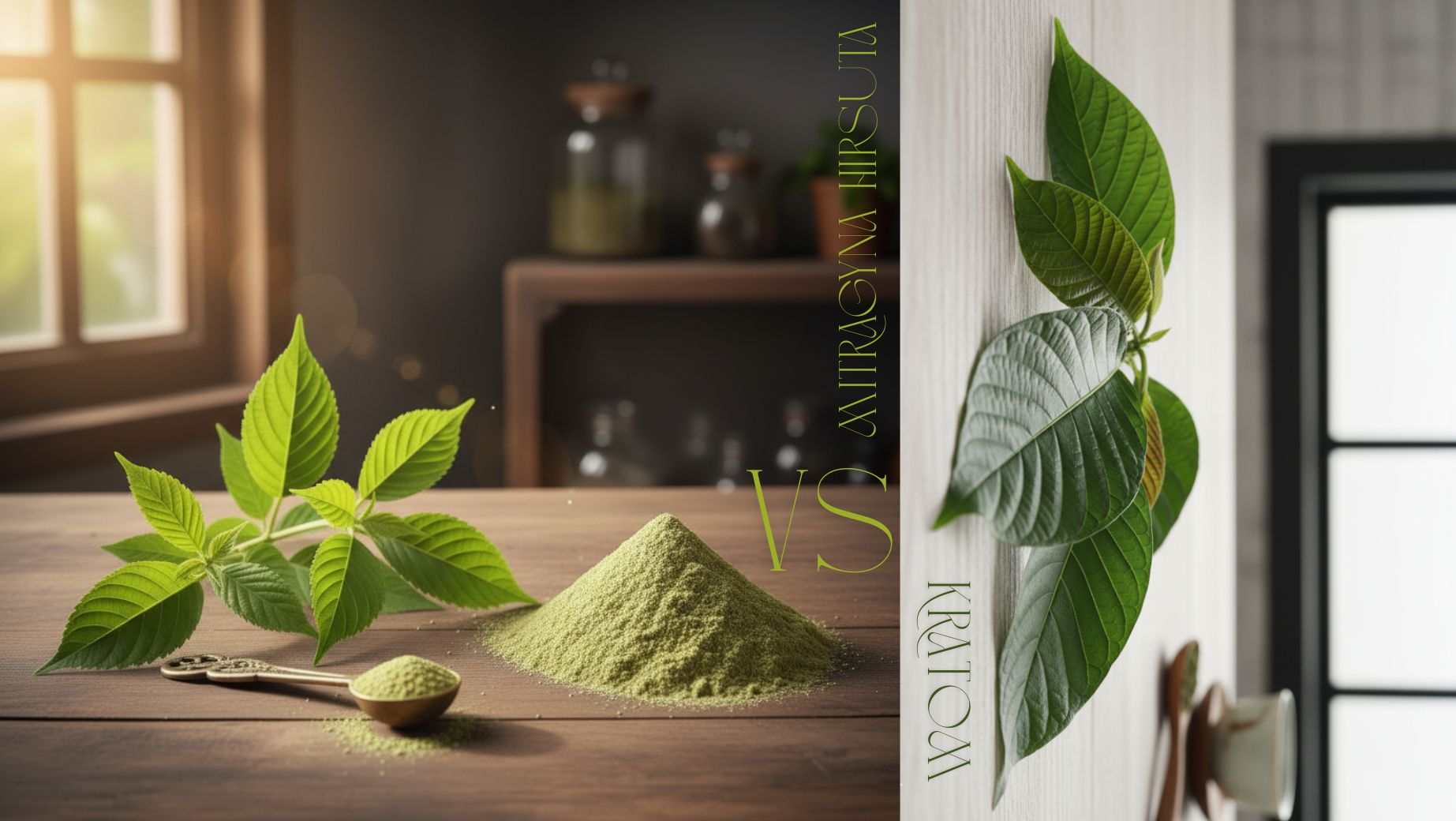
What is Mitragyna Hirsuta?
Mitragyna Hirsuta, also known as “Kra Thum Khok”, is a tropical tree from the coffee family (Rubiaceae), naturally growing in Thailand, Cambodia, and some Indonesian islands. It belongs to the same genus as the better-known Mitragyna Speciosa (kratom), but differs in chemical composition and effects.
Effects of Mitragyna Hirsuta
Mitragyna Hirsuta is valued for its gentle, natural effects. The most common include:
-
Relaxation and calming – Helps relax both body and mind, ideal after a long day or during stress.
-
Pain relief – Contains the alkaloid mitraphylline, which may help alleviate mild to moderate pain.
-
Mood support – Gently improves mental state and overall well-being.
-
Mild stimulation – At lower doses, it can enhance focus and energy without causing aggression or nervousness.
Because of these effects, Hirsuta is often recommended for people seeking a natural remedy that both calms and gently supports energy.
Dosing Mitragyna Hirsuta
Proper dosing is key for safe and effective use. Generally:
-
Beginners: Start with 1 gram and gradually increase by 0.5 grams until the optimal dose is found.
-
Typical dose: 2–3 grams is often sufficient for mild effects.
-
Maximum dose: Do not exceed 5 grams per day to minimize the risk of adverse effects.
-
Frequency of use: Ideally 3–4 times per week to prevent tolerance.
Always start with a lower dose, observe your body’s reactions, and increase if needed.
Comparison of Mitragyna Hirsuta and Kratom
Mitragyna Hirsuta and Kratom (Mitragyna Speciosa) are related plants, but their effects differ:
|
Property |
Mitragyna Hirsuta |
Kratom (Mitragyna Speciosa) |
|
Alkaloids |
Mitraphylline |
Mitragynine, 7-hydroxymitragynine |
|
Effects |
Gentle, relaxing, mild stimulation |
Stronger, stimulating and sedative |
|
Legal status |
Legal in many countries |
Regulated in some countries |
|
Addiction risk |
Lower |
Higher with frequent use |
|
Use |
Relaxation, calming, mild pain |
Energy, analgesia, sedation |
Hirsuta is ideal for those seeking a gentle alternative to kratom, lower tolerance risk, and milder effects.
Mitragyna Hirsuta vs. Mitragyna Javanica
These two plants may seem similar and both represent milder alternatives to kratom, but they do differ in some ways.
-
Strength of effects and stimulation: Hirsuta provides mild stimulation and gentle relaxation, while Mitragyna Javanica is very mild, mainly for light energy and focus support.
-
Alkaloid composition: Hirsuta contains higher concentrations of mitraphylline and rhynchophylline, Javanica lower, making its effects milder.
-
Safety and use: Both plants have a low addiction risk, Hirsuta is suitable for daily and evening use, Javanica is ideal for beginners and very mild effects.
Overall, if you are looking for a moderate effect combining energy and relaxation, Hirsuta is preferable. If you want a gentle and safe supplement, for example for light stimulation during work or study, Javanica may be the ideal choice.
Conclusion
Mitragyna Hirsuta is a tropical plant that offers a combination of relaxation, mood support, and gentle stimulation. Due to its different chemical composition and lower intensity of effects, it represents an ideal choice for beginners and for those seeking a legal alternative to kratom.
Author: Dominik