_(1).svg)
Saffron has always been considered one of the rarest and most expensive spices. Why is saffron so expensive, and what makes it so special? And how can you use it not only in the kitchen but also for your health? Let’s go over this from the very beginning.
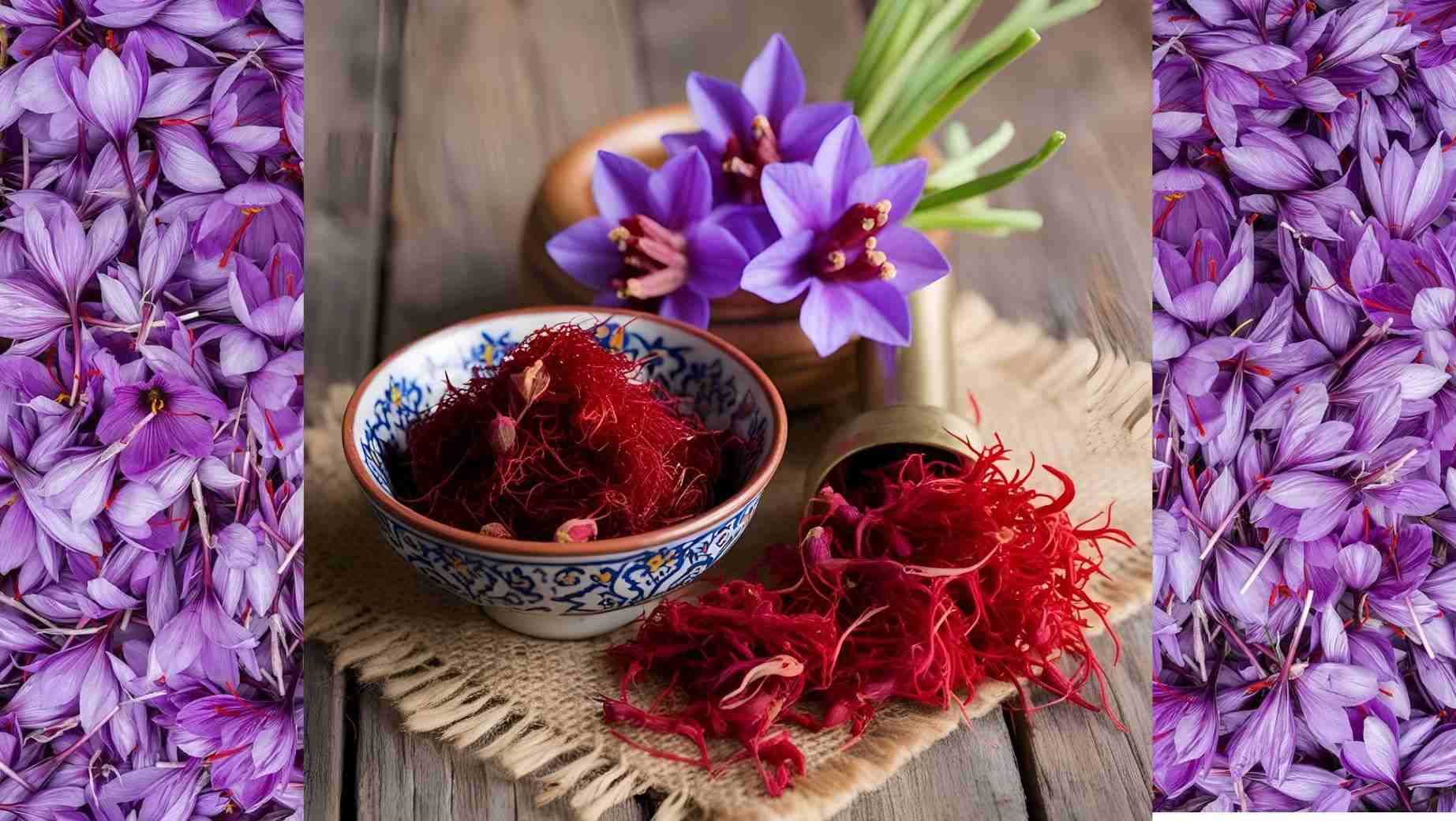
Where does saffron come from?
Saffron is obtained from the flowers of the plant Crocus sativus, also known as saffron crocus. What is important to mention? From each flower, only three red stigmas can be collected, which are the prized threads known as saffron. These stigmas must be harvested by hand, very carefully, to avoid damaging them. Additionally, they must be collected within a few hours after blooming when the plant is at its most powerful.
To collect 1 kilogram of dried saffron, you need approximately 150,000 flowers. That is an absolutely insane amount. And that’s why it is nicknamed red gold, not only because of its color but also due to its value.
Why is saffron so expensive?
We’ve already revealed part of it, but it’s not a marketing trick. Saffron is simply demanding to grow, harvest, and process.
Here are a few reasons why you’ll pay extra for it:
-
Hand harvest: Each flower must be carefully disassembled by hand. No machines involved.
-
Low yield: From a heap of flowers, you end up with just a few grams.
-
Delicate plant: Saffron requires a specific climate, lots of sunshine, and care. Because of this, it has earned the nickname sunshine spice. This name refers to its rich, sun-like color and also to the fact that saffron needs ample sunlight to grow and achieve the best quality.
-
Risk of counterfeit: Yes, even for a spice like saffron, there is a risk of counterfeit. Quality saffron is rare, and therefore it is often diluted or adulterated.
Today, there is a growing demand for verified, pure, and often organic products, where you can be sure of the origin, cultivation methods, and harvest quality. But still, price is not everything—when you open saffron, you’ll immediately smell its intense, slightly honeyed aroma, which instantly tells you that you’re holding something exceptional.
What does it taste like and how is it used?
Saffron has a subtly bitter yet rich flavor that cannot be compared to anything else. You don’t need to use much; usually just a few threads are enough, and the dish will gain a golden hue, an amazing fragrance, and a distinctive taste.
It is especially good for:
-
rice dishes like paella or risotto alla milanese
-
sweets – for example, in oriental desserts
-
teas and hot drinks
-
dishes with fish, seafood, or chicken
However, be careful! Never cook it directly in oil or butter, as it loses its aroma that way. It’s best to let it steep for a few minutes in warm water or milk before adding it to your dish.
Saffron and Health
Saffron is not just a matter of seasoning food. It has been used in traditional medicine for centuries and is now also being studied by modern science.
Why? Because:
Positively affects mood
It acts as a natural antidepressant. It helps balance serotonin levels and improves mood, making it an interesting alternative for fatigue, tension, or seasonal depression. Some people compare it to "sunlight in spice", not only for its color but also for its effect.
Supports heart and vascular health
Saffron may lower bad cholesterol (LDL), improve blood circulation, and have a protective effect on the heart muscle. For this reason, it could be beneficial as part of the prevention of cardiovascular diseases.
Helps with digestion
In traditional medicine, saffron is used to stimulate digestion. It helps improve the function of digestive juices and alleviates bloating, nausea, or heartburn. It is gentle yet effective, making it ideal after a heavy meal or as part of herbal blends.
Boosts immunity
Due to its content of vitamin C and powerful antioxidants, saffron supports the immune system. It helps the body fight infections and oxidative stress, and overall strengthens the immune system.
May affect memory and eye health
It contains substances that support brain function and improve concentration, memory, and overall cognitive function. Additionally, due to its high content of antioxidants, particularly carotenoids, saffron helps protect the eyes from damage by free radicals. It supports retinal health, may reduce the risk of age-related macular degeneration, and help slow down degenerative changes related to aging eyes.
Saffron tea is also often made from it, which not only warms but also calms and improves sleep.
Where to buy quality saffron?
Saffron is often adulterated, being mixed with other plants, dyed, or dried in such a way that it loses its effectiveness. If you want verified quality, try saffron from Iran.
It is 100% pure, hand-harvested saffron from Iran, one of the areas with the longest tradition of cultivation. In the packaging, you will find beautifully dried red threads, meaning no powder, no additives. It is perfect for cooking, making tea, or for trying its effects on mood and concentration.
Conclusion
Saffron is more than just a spice, it is the result of meticulous handwork, natural power, and thousand-year-old tradition. And although it is more expensive than ordinary spices, it is worth trying it at least once. It can elevate any dish, delight the senses, and perhaps even improve your day.
So, what do you say, would you give red gold a chance?
Author: Dominik